NHLI | New Hampshire Learning Initiative
All Students Deserve a Quality Education
WSP (Work Study Practices)
/ January 22, 2024
Beyond Compliance: Unlocking the Power of Self-Direction
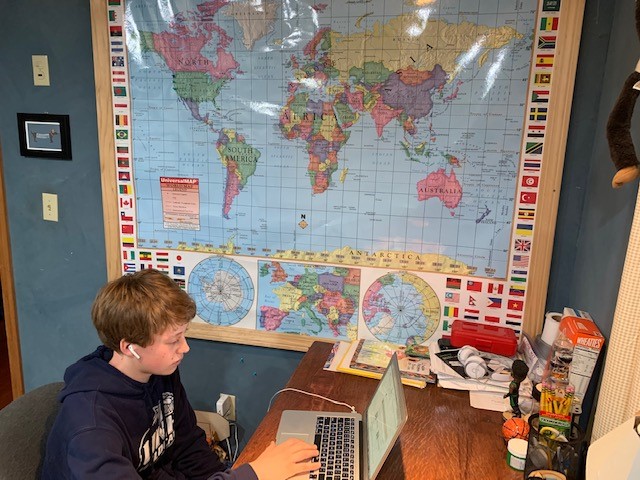
Discovering the Dimensions of Self-Direction for Student Engagement Self-direction is often considered compliance-oriented behavior such as attending class on time and bringing a charged device. However, those practices do not […]
Continue Reading/ December 4, 2023
Preparing All NH Students for Success in an Interconnected and Complex World
New Hampshire’s Portrait of a Learner: Building Essential Skills for the Future The NH Portrait of a Learner (PoL) is pivotal in achieving a more comprehensive understanding of student success […]
Continue Reading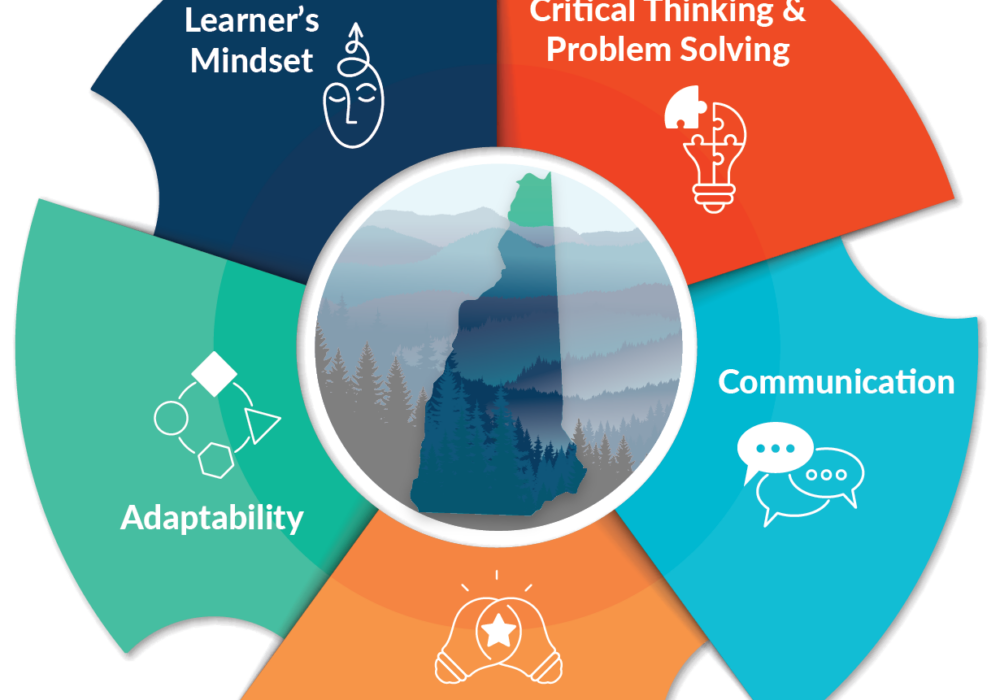
/ September 12, 2023
CULTIVATING CLASSROOM SUCCESS
Five Ideas for the New School Year Each September brings the promise of creating positive student relationships and the excitement of engaging students in meaningful learning. Teachers cultivate success in […]
Continue Reading/ January 3, 2021
Investing in Teachers as Agents of Scale
As part of a William and Flora Hewlett Foundation funded research-practice partnership (RPP), JFF (Jobs for the Future) has been collecting data and insights on the scaling of WSPs (aka deeper learning competencies or essential skills) in New Hampshire. From the start, the state’s PACE system was a key driver to scale, providing a critical backbone for assessing competency-based efforts. What has become clearer to the JFF research team is that investing in teacher capacity to instruct and assess WSPs has been a critical move to ensure that the practice change is deep, spreads, and is sustainable. A key orientation has been a strong commitment to teacher ownership of the process. The practice partner is this effort, the New Hampshire Learning Initiative (NHLI), has been critical to supporting and pushing this teacher-centered approach forward.
Continue Reading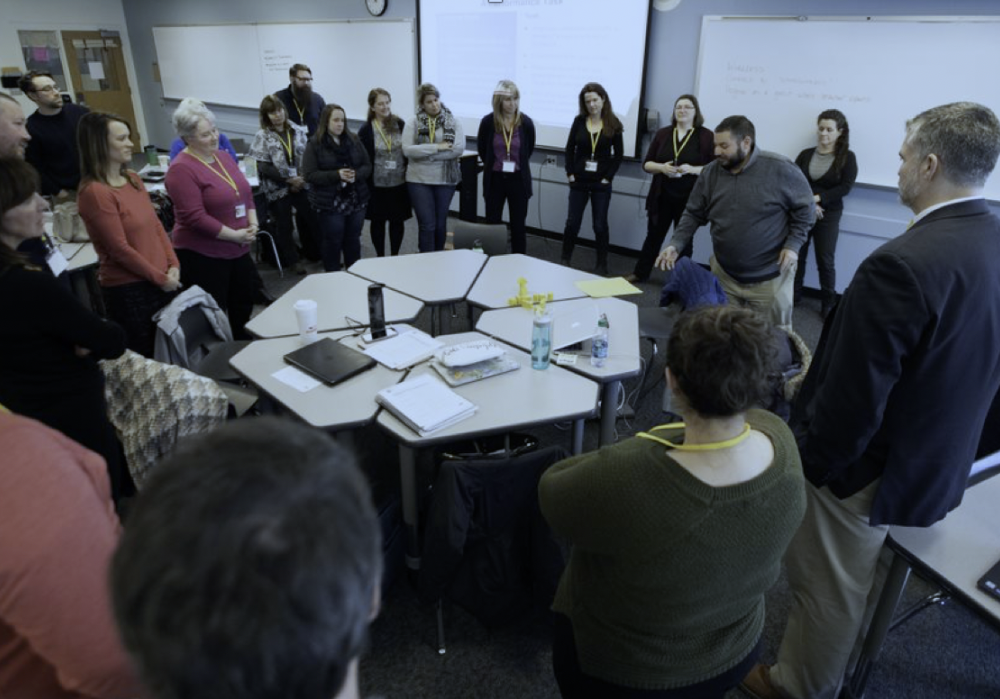
/ January 3, 2021
Scaling Up Deeper Learning: Results From New Hampshire’s Statewide Efforts
Employers, colleges and families may not agree on much, but they tend to agree about this: our K-12 students need to develop essential skills like self-direction, collaboration, communication and creativity to successfully navigate college, career and community life. Trouble is, standardized tests and traditional assessments do not adequately capture whether students have developed these deeper learning skills. Too often, we test things we may not value and may not be all that important. Fortunately, leaders are working to change this, and the results are promising.
Continue Reading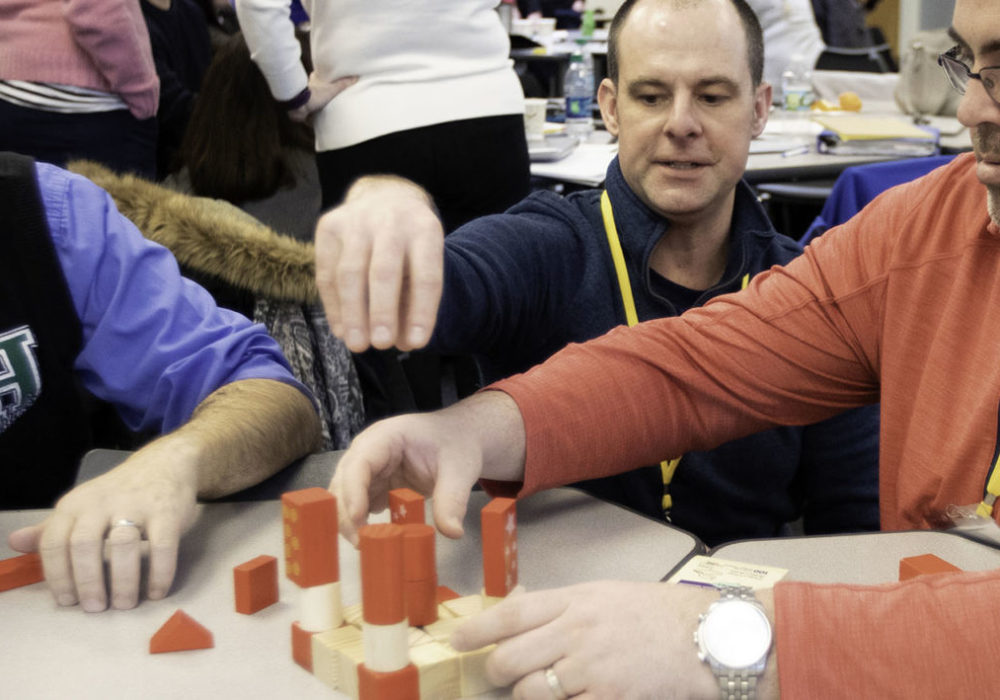
/ December 20, 2020
Three Lessons From New Hampshire’s Effort to Expand Deeper Learning
In 2019, Aurora Institute released the new definition of competency-based learning. This seven-part definition was developed with extensive support from practitioners, researchers and leaders across the country.
This updated definition reflects a deeper understanding of key issues and developments in the field.
Continue Reading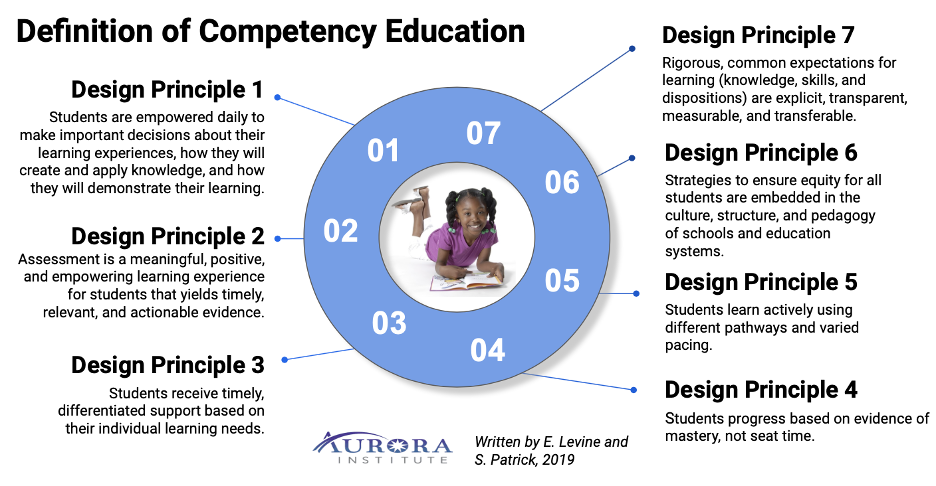
/ July 1, 2020
Together and Stronger in the 603
We heard from many educators that they also needed normal conversations, and to focus on ideas that went beyond the current reality and look to a future to when we are past this crisis.
Continue Reading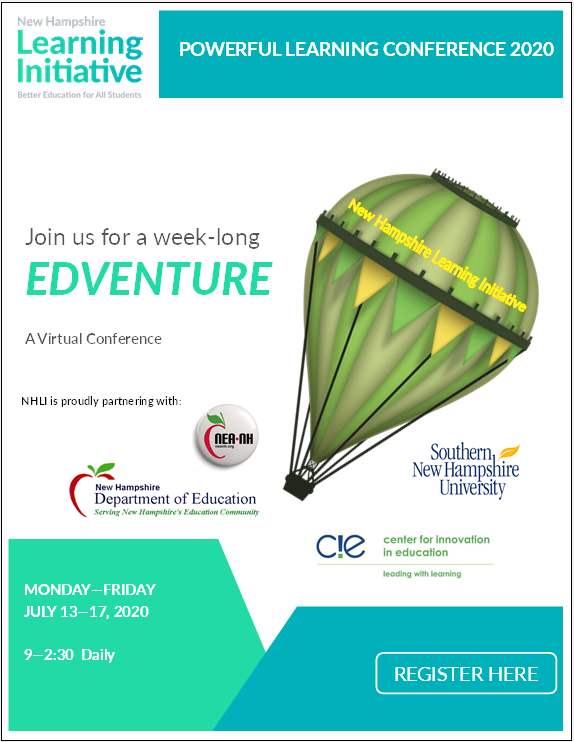
/ April 13, 2020
Silver Linings: Observations of Self-Directed Behavior in an Online Environment
There has always been a clear recognition of the importance of the critical competencies of communication, collaboration, creativity, and self-direction for success in the “real world” by teachers, parents, community members, and local business leaders. The “why” has never really been a question. However, providing opportunities for application of these skills in real-world situations that can transfer outside the walls of the school has been a question that educators have been grappling with.
Continue Reading