NHLI | New Hampshire Learning Initiative
All Students Deserve a Quality Education
NHLInsights, Research and Resources
/ January 3, 2021
Three Ways to Scale Student-Centered Reforms in Your System
This article was originally published June 12, 2020 on the website Students at the Center Hub. Author Dr. Felicia Sullivan is Associate Director of Research at Jobs For the Future […]
Continue Reading/ January 3, 2021
Scaling is All the Rage, But How Do You Make It Happen?
New Hampshire’s Performance Assessment for Competency-based Education (PACE) system is entering its third year. Using this alternative state accountability system, 150 teachers in nine school districts have created 14 performance assessment tasks in mathematics, English language arts (ELA) and science. The tasks have been validated against standardized state tests with the ambition to bring performance assessments to all students in the state across all disciplines. A primary goal of PACE is to ensure that students demonstrate their content knowledge to gain academic credits and graduate.
Continue Reading/ January 3, 2021
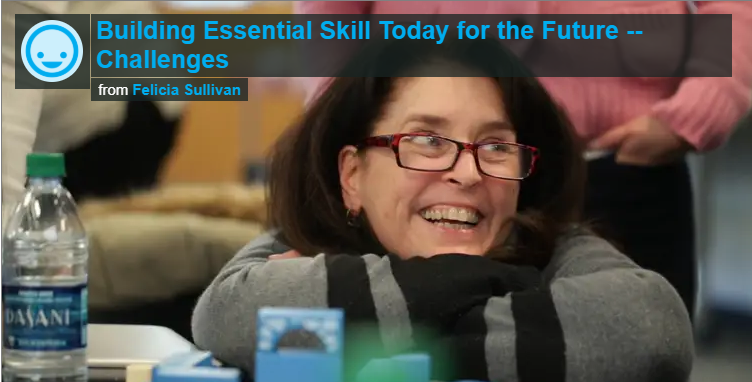
Investing in Teachers as Agents of Scale
As part of a William and Flora Hewlett Foundation funded research-practice partnership (RPP), JFF (Jobs for the Future) has been collecting data and insights on the scaling of WSPs (aka deeper learning competencies or essential skills) in New Hampshire. From the start, the state’s PACE system was a key driver to scale, providing a critical backbone for assessing competency-based efforts. What has become clearer to the JFF research team is that investing in teacher capacity to instruct and assess WSPs has been a critical move to ensure that the practice change is deep, spreads, and is sustainable. A key orientation has been a strong commitment to teacher ownership of the process. The practice partner is this effort, the New Hampshire Learning Initiative (NHLI), has been critical to supporting and pushing this teacher-centered approach forward.
Continue Reading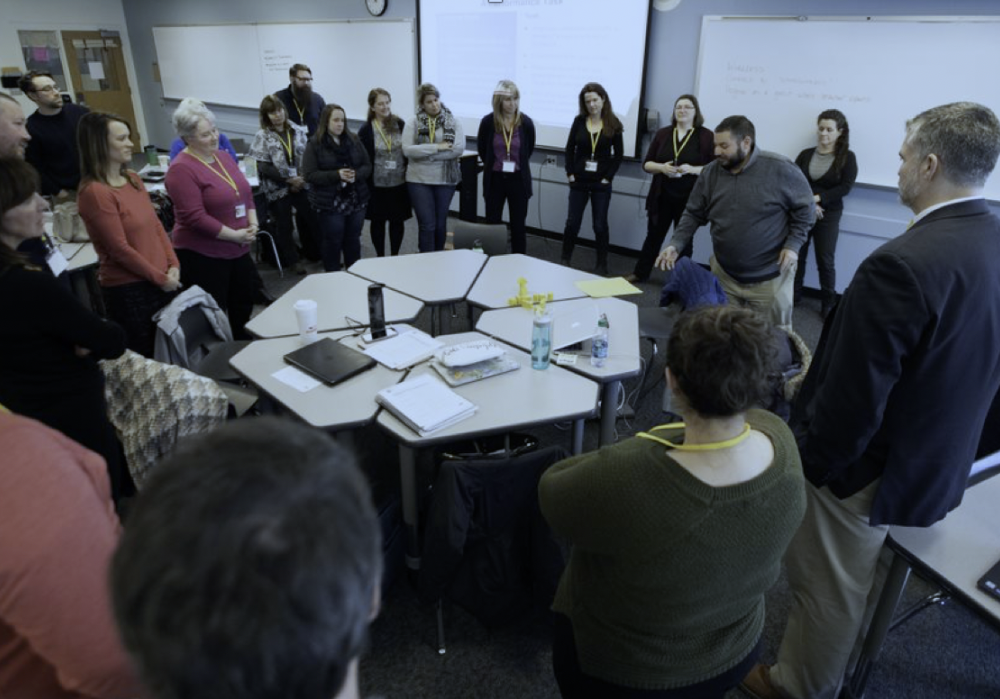
/ January 3, 2021
Scaling Up Deeper Learning: Results From New Hampshire’s Statewide Efforts
Employers, colleges and families may not agree on much, but they tend to agree about this: our K-12 students need to develop essential skills like self-direction, collaboration, communication and creativity to successfully navigate college, career and community life. Trouble is, standardized tests and traditional assessments do not adequately capture whether students have developed these deeper learning skills. Too often, we test things we may not value and may not be all that important. Fortunately, leaders are working to change this, and the results are promising.
Continue Reading
/ December 21, 2020
It All Starts With Hope: NH Gallup Student Poll First in the Nation to Measure Work Based Learning (WBL)
What is hope, and why does it matter? Pre-Covid it was a nice conversation to have with educators about students being hopeful about their future. Fast forward to our current situation, and everyone is talking about student engagement, hope, and relationships. Hope is much more than a nice conversation now, hope is what will make the difference in how students look at the future.
Continue Reading
/ December 20, 2020
Why Do We Have Two Systems of Accountability?
Ramond has always liked math. The answers come to him easily in class, faster than Juan, his best friend, or better than even Maria, who reads way more than he does. So, last Thursday, when Mrs. Burch announced that she would be giving a test on-line, one that was supposed to be given last Spring, he looked forward to it.
Continue Reading
/ December 20, 2020
Three Lessons From New Hampshire’s Effort to Expand Deeper Learning
In 2019, Aurora Institute released the new definition of competency-based learning. This seven-part definition was developed with extensive support from practitioners, researchers and leaders across the country.
This updated definition reflects a deeper understanding of key issues and developments in the field.
Continue Reading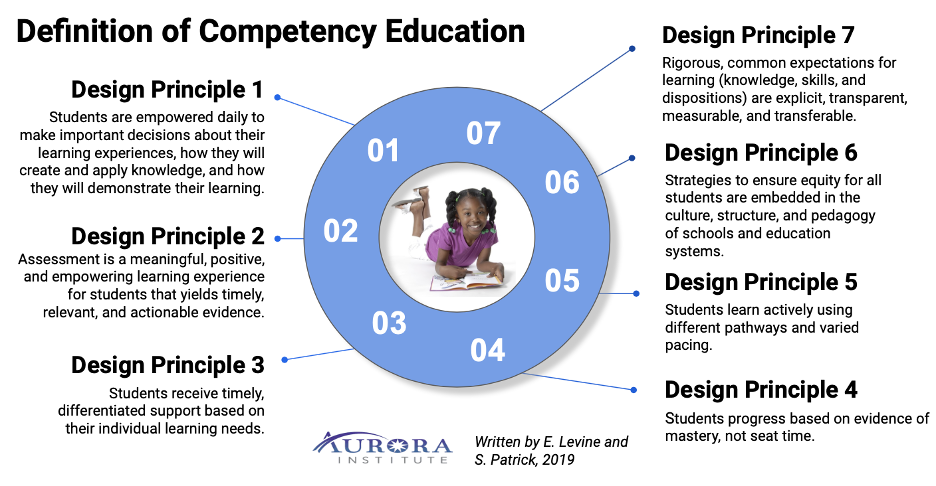
/ April 13, 2020
Silver Linings: Observations of Self-Directed Behavior in an Online Environment
There has always been a clear recognition of the importance of the critical competencies of communication, collaboration, creativity, and self-direction for success in the “real world” by teachers, parents, community members, and local business leaders. The “why” has never really been a question. However, providing opportunities for application of these skills in real-world situations that can transfer outside the walls of the school has been a question that educators have been grappling with.
Continue Reading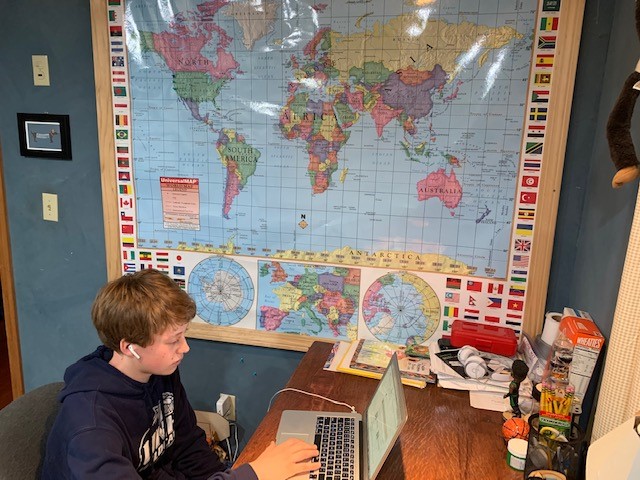
/ January 13, 2020
The Challenges of Bringing Essential Skills Learning to Students
Creating a system that can accommodate a wide range of learning contexts across a state can be difficult. Teachers and leaders in New Hampshire share how they are tackling the integration of essential skills (aka Work Study Practices or deeper learning) into their classrooms.
Continue Reading